
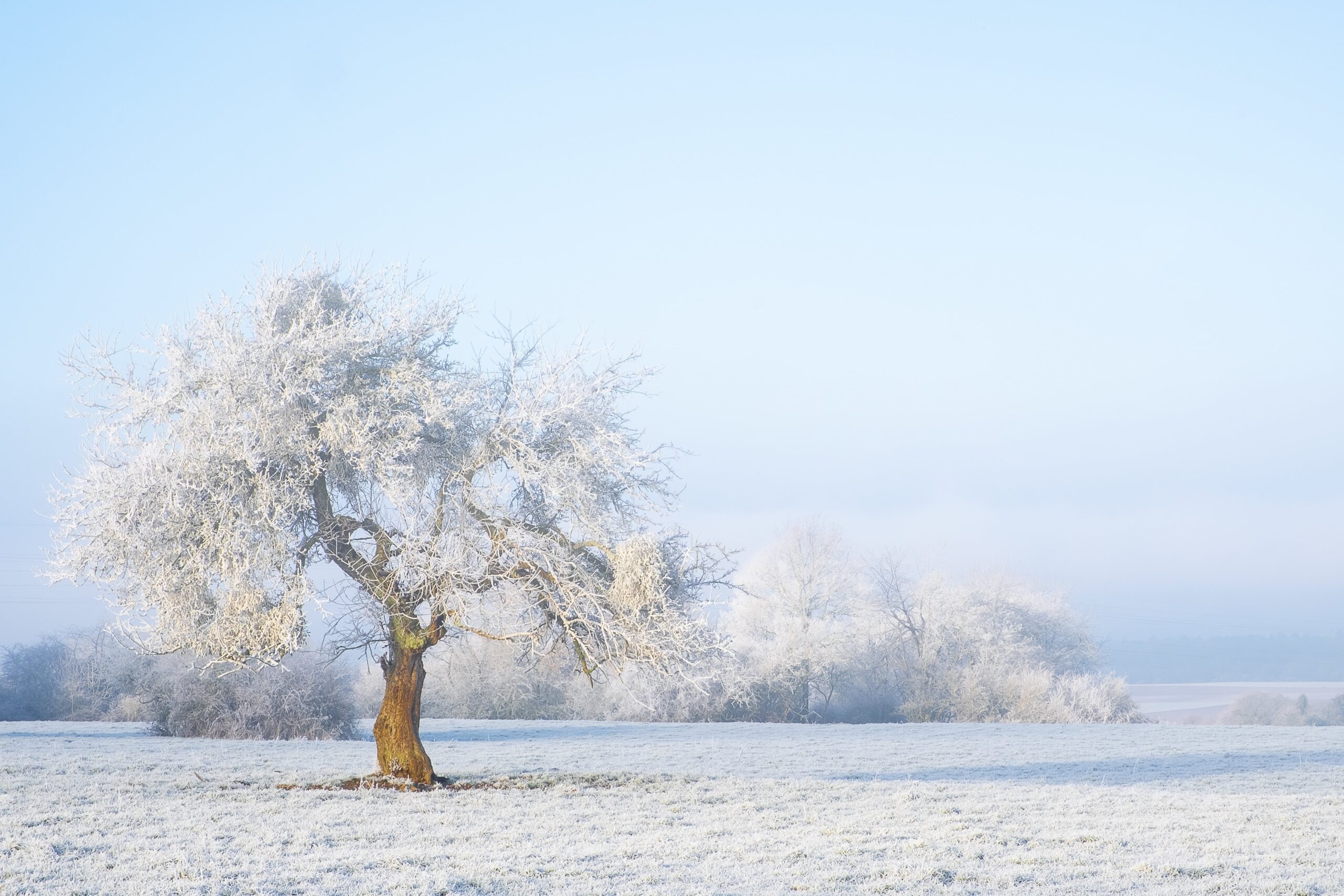
Winter does something to the mind that most people feel but rarely understand.
The air cools. The days shorten. The world grows quieter.
And inside us, something shifts too — a kind of internal slowing, a soft descent toward stillness.
Ayurveda has always seen this as sacred. Modern neuroscience simply calls it seasonal biology.
The winter mind is not a flaw or imbalance. It is nature speaking through your nervous system. And when we understand it through both ancient and modern lenses, winter becomes not a season to suffer through… but a season to work with intentionally — a season for grounding, nourishing, and renewing the subtle layers of your being.
Let’s explore why winter changes your mind and how Ayurveda teaches us to meet the season with steadiness and clarity.
How Winter Changes Your Brain: The Neuroscience
Winter affects the brain in ways most people never imagine.
1.Shorter daylight lowers serotonin
Sunlight stimulates serotonin — the neurotransmitter behind mood stability and mental clarity. Less morning light = lower serotonin tone, which contributes to:
- heavier moods
- slower motivation
- longer mental warm-up time
2.Darkness increases melatonin production
Your brain releases melatonin earlier in the day as light decreases, leading to:
- increased sleepiness
- difficulty waking
- lower cognitive alertness in the morning
3.Circadian rhythm becomes more sensitive
Without strong sunlight cues, the body’s biological clock becomes vulnerable to disruption, influencing:
- mood
- metabolism
- hormonal rhythm
- energy management
Winter literally shifts the chemical rhythm of the mind. But Ayurveda has understood this seasonal pattern for thousands of years through the lens of dosha dynamics.
Ayurveda’s View: The Vata–Kapha Transition
Winter is not one season energetically. It is a movement.
Early winter is Vata-dominant — cold, dry, mobile, light.
Late winter is Kapha-building — heavy, moist, stable, grounded.
This transition shapes the winter mind.
When Kapha rises:
You may feel:
- scattered
- anxious
- overstimulated
- difficulty focusing
You may feel:
- slower
- heavier
- more inward
- more reflective
Neither is “wrong.” Both are expressions of nature moving through you.
Ayurveda teaches that winter is a time of:
- grounding
- warm nourishment
- emotional containment
- deep rest
- subtle introspection
- strengthening Agni
- building Ojas
Winter is not meant for high output — it is a season of recovery and rebuilding.
Your Agni in Winter: Why Mood and Digestion Are Linked
Digestive fire (Agni) is strongest in winter. This is why winter foods — stews, soups, warm grains, spices — feel so satisfying.
But winter Agni is also deeply linked to mental Agni, meaning:
- Clear digestion supports clearer thought.
- Strong Agni stabilizes mood.
- Weak Agni leads to winter fogginess, lethargy, or emotional heaviness.
Supporting Agni is one of the most effective winter mood practices.
How to Support the Winter Mind
These practices are deeper and more refined — designed for a highly knowledgeable Ayurvedic audience looking for advanced seasonal mastery.
Morning Sunlight + Breath Warming
Within 30 minutes of waking, step outside and allow natural light to touch your skin and eyes. Even through clouds, this:
- boosts serotonin
- anchors circadian rhythm
- increases alertness
- improves mood regulation
Follow with 10 rounds of bhastrika or gentle kapalabhati to warm Prana in the head and chest.
Winter Nasya (Nasal Oil Application)
Sesame-based nasya or a Vata/Kapha-balancing herbal oil supports:
- mental clarity
- emotional grounding
- sinus health
- lubrication of Prana pathways
Apply after a warm shower.
Embrace Slow, Oil-Based Self-Massage (Abhyanga)
Abhyanga is essential in winter because:
- it stabilizes Vata’s mobility
- it softens Kapha heaviness into calm
- it increases serotonin
- it nourishes the nervous system through tactile grounding
Warm sesame or medicated oils are ideal.
Warm, Dense, Grounded Winter Diet
Winter diets should increase:
- warmth
- unctuousness
- spice
- protein
- grounding grains
This helps stabilize both Vata and Kapha while supporting winter Agni and emotional steadiness.
Honor Winter’s Emotional Slowness
Winter naturally turns the mind inward. Ayurveda teaches that emotional introspection increases when the world grows quieter. Support this by:
- journaling
- meditation
- slower-paced routines
- lowering stimulation
- choosing fewer commitments
Allow emotional digestion to occur without overwhelm.
Create Evening Warmth Signals
Warmth in winter signals safety to the body. Evening rituals may include:
- warm bath
- saffron or nutmeg milk
- candlelight or dim golden lighting
- soft mantra or low-frequency sound
These gently usher the mind toward easeful rest.
Winter Isn’t a Season to Push — It’s a Season to Rebuild
Ayurveda reminds us that winter isn’t meant to be a time of outward ambition.
It is the season when nature consolidates energy, strengthens the core, and nourishes resilience.
When you learn to live in harmony with the winter mind:
- your energy stabilizes
- your emotions soften
- your intuition sharpens
- your mental fog clears
- your digestion strengthens
- your inner resilience grows
Winter becomes a season of renewal, not depletion. Learning to honor your seasonal biology is one of the greatest forms of self-respect.