
By Dr. Puja Shah
We live in a time when food is everywhere, yet true nourishment feels rare.
Between fast meals, endless choices, and constant distraction, we’ve forgotten what food is meant to do: heal, harmonize, and connect us to life itself.
Ayurveda calls this deeper nourishment Sattva — the quality of light, clarity, and peace.
Sattvic food doesn’t just feed the body. It feeds the mind.
In a world that leaves many feeling anxious, overstimulated, and mentally fatigued, this ancient way of eating offers a path back to simplicity and science is finally catching up.
What Is Sattvic Nutrition?
Ayurveda divides foods into three energetic qualities:
- Sattvic – pure, balanced, and life-giving
- Rajasic – stimulating and activating
- Tamasic – dulling or heavy
Sattvic food is fresh, seasonal, and easy to digest. It brings lightness, calm, and clarity.
Rajasic food (spicy, salty, or processed) excites the senses, while Tamasic food (stale, fried, or leftover) clouds the mind and dulls energy.
Where modern nutrition often focuses on calories or macronutrients, Ayurveda looks at vibrational quality, how the energy of food shapes your thoughts, emotions, and consciousness.
When you eat in a Sattvic way, you’re not just supporting digestion. You’re nurturing emotional stability, mental focus, and spiritual peace.
Science Meets Sattva: The Gut–Mood Connection
Modern research now confirms what Ayurveda has known for millennia: your gut and brain are in constant communication
The gut microbiome, trillions of bacteria living in your digestive tract, produces neurotransmitters like serotonin and dopamine, which influence mood, focus, and resilience.
When the gut is inflamed or imbalanced, these mood-regulating chemicals drop.
When it’s nourished with fiber, fermented foods, and wholesome nutrients, calm and clarity rise naturally.
From an Ayurvedic lens, this is the dance between Agni (digestive fire) and Sattva (mental purity). A strong, balanced Agni keeps the gut ecosystem vibrant. A vibrant gut, in turn, nourishes a Sattvic mind, one that is peaceful, alert, and content.
The Sattvic Plate: Food for Calm and Clarity
Sattvic nutrition is not a strict diet, it’s a philosophy of mindful eating.
Here’s what it looks like in practice:
Favor Fresh, Simple, and Seasonal Foods
Choose fruits, vegetables, whole grains, and legumes that are local and in season. These foods carry prana, or life force, directly from nature.
- Cooked greens, squashes, carrots, sweet potatoes, and mung beans bring stability and nourishment.
- Fresh fruits like mango, papaya, and apples uplift the mood and gently detoxify.
- Grains like basmati rice or quinoa provide grounding energy without heaviness.
Include Sattvic Staples
Certain traditional Ayurvedic dishes are naturally balancing for the gut and the mind:
- Kitchari: A warm, gentle blend of mung dal, basmati rice, and digestive spices — the ultimate reset meal for your gut and nervous system.
- Spiced buttermilk (takra): A probiotic-rich drink made with yogurt, water, and mild spices like cumin, mint, or coriander. It cools inflammation and supports healthy gut flora.
- Ghee: Clarified butter that lubricates the digestive tract and nourishes brain function.
Embrace Gentle Flavors
Sattvic food favors the mild, harmonious tastes, sweet, astringent, and bitter, rather than fiery or overly salty ones.
These flavors calm Pitta and Vata doshas, both of which are easily agitated in our fast-paced world.
Eating as Meditation: The Forgotten Practice
How you eat matters as much as what you eat.
When we eat while distracted, the nervous system remains in “fight or flight,” and digestion weakens.
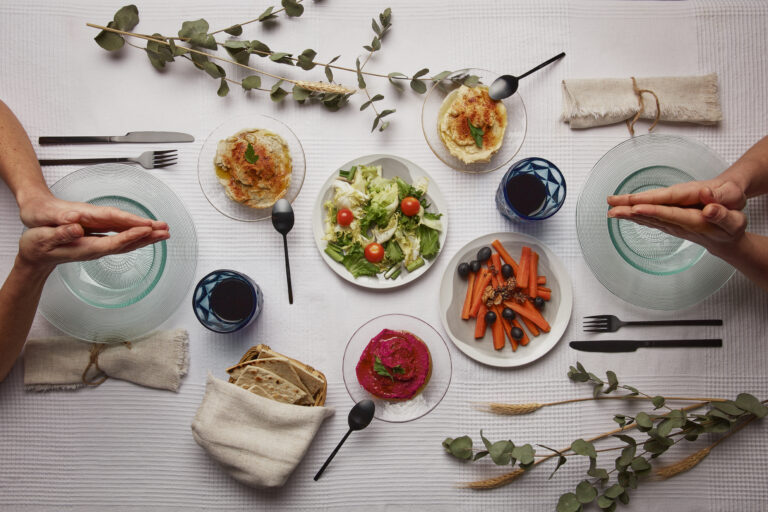
Ayurveda teaches annaseva — sacred eating. It’s the art of being fully present with your meal.
Try this simple practice:
- Sit quietly before eating.
- Take three deep breaths.
- Offer silent gratitude for the food.
- Eat slowly, noticing taste, texture, and warmth.
When your attention is on your food, your body receives it as nourishment, not as noise.
Food as (Emotional) Medicine
Sattvic nutrition is also emotional therapy. The foods you eat influence your mind’s chemistry, but also its energy.
Heavy or processed foods often correspond with dullness or emotional stagnation.
Fresh, light, pranic foods open the heart, enhance creativity, and stabilize mood.
This is why monks, yogis, and healers have long chosen Sattvic diets, not for weight loss, but for mental steadiness and clarity of perception.
When the body is light, the mind can reflect truth without distortion.
The Sattvic way aligns beautifully with the latest findings in nutritional neuroscience:
- Fiber-rich diets improve microbial diversity, reducing anxiety and depressive symptoms.
- Fermented foods like yogurt, kefir, and pickled vegetables support a balanced microbiome and enhance emotional regulation.
- Healthy fats like ghee and flaxseed oil nourish the gut lining and stabilize mood.
What Ayurveda intuited through observation, modern science now measures through data. The conclusion is the same: a nourished gut creates a peaceful mind.
Your Sattvic Day: A Simple Guide
Morning:
Start with warm lemon water and a bowl of cooked oats with ghee, cinnamon, and fresh fruit. Set an intention for the day, something gentle and kind.
Midday:
Enjoy kitchari with steamed vegetables and spiced buttermilk. Eat without distraction, in natural light if possible.
Evening:
Have a light meal, perhaps a soup with rice and lentils. End the day with golden milk (turmeric and nutmeg in warm milk) and gratitude.
This is how nourishment becomes ritual and how food becomes meditation.
The Deeper Truth of Sattva
Eating Sattvic food is not about perfection. It’s about remembering that your body is sacred, and what you feed it shapes your state of being.
In Ayurveda, balance doesn’t come from restriction, it comes from rhythm, awareness, and respect for what truly sustains you.
When your meals are fresh, your mind becomes light.
When your digestion flows, your emotions do too.
And when your food carries peace, your life begins to reflect it.