
By Dr. Puja Shah
Ayurveda champions an abundance of healing botanicals, with herbs and flowers like tulsi, ashwagandha, and neem often taking center stage.
But in the less visited corners of this verdant garden are many hidden gems, one of them being the remarkable chrysanthemum flower.
The chrysanthemum has long been known for its ornamental beauty, yet it also boasts a diversity of medicinal properties, spanning from head to toe, and from the Chakras to the soul.
Here’s a brief summary:
Eyes & Skin
Chrysanthemum’s therapeutic properties make it great for treating eye inflammation and skin impurities.
Summer Cooling
Chrysanthemum has a cooling effect on the mind, making it perfect for the summer season.
Chakra Healing
Its association with the heart chakra makes it a powerful symbol of emotional balance and healing.
Symbolism and Cultural Significance
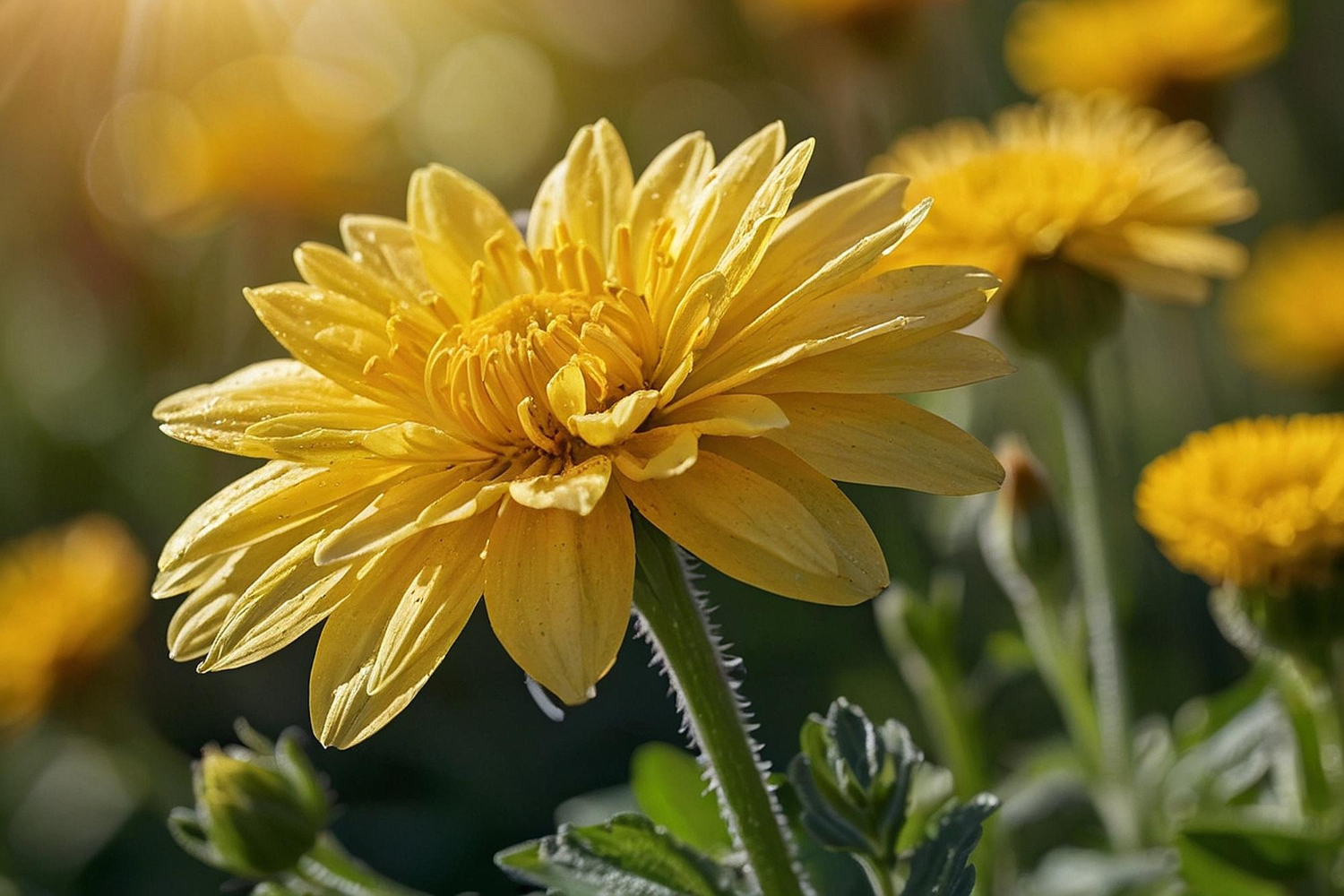
Yellow chrysanthemums are often given as symbols of friendship, while white chrysanthemums are associated with longevity.
Chrysanthemum Tea
Chrysanthemum tea has a rich history in countries like India and China. This caffeine free herbal infusion is enjoyed for its numerous health benefits, including immunity support, blood pressure, bone health, anti-inflammatory, heart health, stress reduction, and skin health.
Here’s one of my favorite recipes for chrysanthemum and goji berry tea:
Brewing a cup of hibiscus tea is a delightful way to enjoy its health benefits. It’s especially effective for calming the mind and cooling the body.
What You Need:
- A pot of pre-boiled hot water
- A few funnels
- Some reusable glass bottles
- 3 oz of goji berries
- 1/2 cup of chrysanthemum flower bulbs
- 1/4 bar of jaggery or any sweetener
Step 1
Simmer the goji berries and chrysanthemum flower bulbs in hot water on a low flame for at least 1 hour.
Step 2
Optional: for a stronger, more flavorful taste, simmer for up to 3 hours.
Step 3
Pour yourself a glass, decorate it with leftover floral bulbs and goji berries, and enjoy. Serve hot or let it cool down for a refreshing iced tea.