
By Dr. Puja Shah
Ayurveda sees food as more than just fuel. It is medicine, energy, and a tool for harmonizing your body, mind, and spirit.
Unlike modern diets that focus on macronutrients like proteins, fats, and carbohydrates, Ayurveda considers the energetic properties of food—including its taste, preparation, and how it interacts with your unique constitution or dosha.
The six tastes & their role in balance
In Ayurveda, every food contains one or more of six fundamental tastes, each influencing the doshas—Vata, Pitta, and Kapha—in different ways:
- Sweet (e.g., rice, milk, dates) – Nourishes and builds tissues, calming Vata and Pitta.
- Sour (e.g., yogurt, lemon, tamarind) – Stimulates digestion and enhances absorption, beneficial for Vata but can aggravate Pitta and Kapha.
- Salty (e.g., sea salt, seaweed) – Hydrates and balances electrolytes, pacifies Vata but can disturb Pitta and Kapha.
- Bitter (e.g., kale, turmeric, coffee) – Detoxifies and cleanses, balancing Pitta and Kapha while increasing Vata.
- Pungent (e.g., ginger, chili, garlic) – Stimulates digestion and metabolism, helpful for Kapha but can inflame Pitta and Vata.
- Astringent (e.g., beans, pomegranate, green tea) – Strengthens tissues and absorbs excess moisture, balancing Pitta and Kapha but aggravating Vata.
Every meal should include all six tastes in a way that supports your unique dosha balance.
Food preparation matters
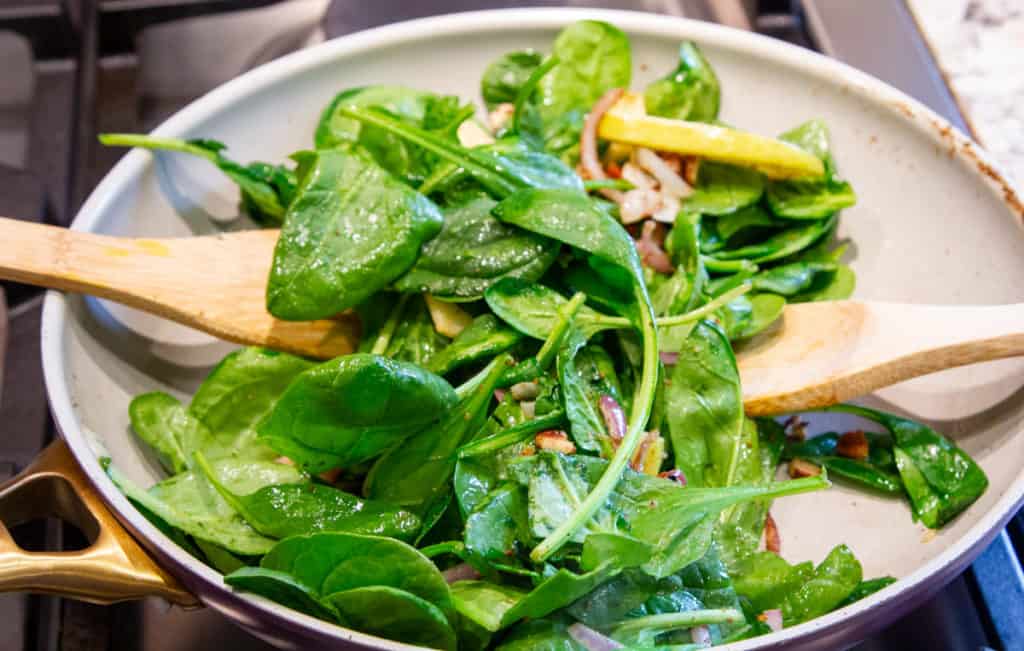
Beyond just the type of food, how it’s prepared makes a difference. Take spinach, for example. On its own, raw spinach can increase Vata, leading to bloating and dryness. But if cooked with sesame oil and cumin, it becomes Vata-pacifying, aiding digestion.
By preparing food with awareness, we transform its effect on the body, allowing it to heal rather than harm.
Why one-size-fits-all diets don’t work
The modern diet landscape is full of trends—veganism, paleo, juice cleanses. But in Ayurveda, there’s no universal diet because every person is unique.
For instance, a raw juice cleanse might be refreshing for a Kapha type but could lead to bloating, anxiety, and weakness for a Vata individual. Similarly, while a high-protein diet might energize a Pitta type, it could lead to heaviness and sluggishness in Kapha types.
Rather than following fads, Ayurveda teaches us to eat in alignment with our natural constitution.
Below is a simple Ayurvedic recipe to include the Six Tastes in your meals while keeping Vata in check.
This dish combines sweet, sour, salty, bitter, and pungent tastes—helping to support digestion and bring balance.
Eat in harmony with your body, and let food be your medicine.
Warm cumin spinach for digestion & balance
🥬 Ingredients:
- 2 cups fresh spinach
- 1 tsp cumin seeds
- 1 tbsp sesame oil (or ghee)
- ½ tsp pink Himalayan salt
- a squeeze of fresh lemon juice
🍲 Instructions:
- Heat sesame oil in a pan over medium heat.
- Add cumin seeds and let them sizzle for a few seconds.
- Toss in the spinach and sauté for 2–3 minutes until wilted.
- Sprinkle with salt and finish with a squeeze of lemon.
- Serve warm and enjoy the nourishing, grounding effects!